
From Barley to Bottle
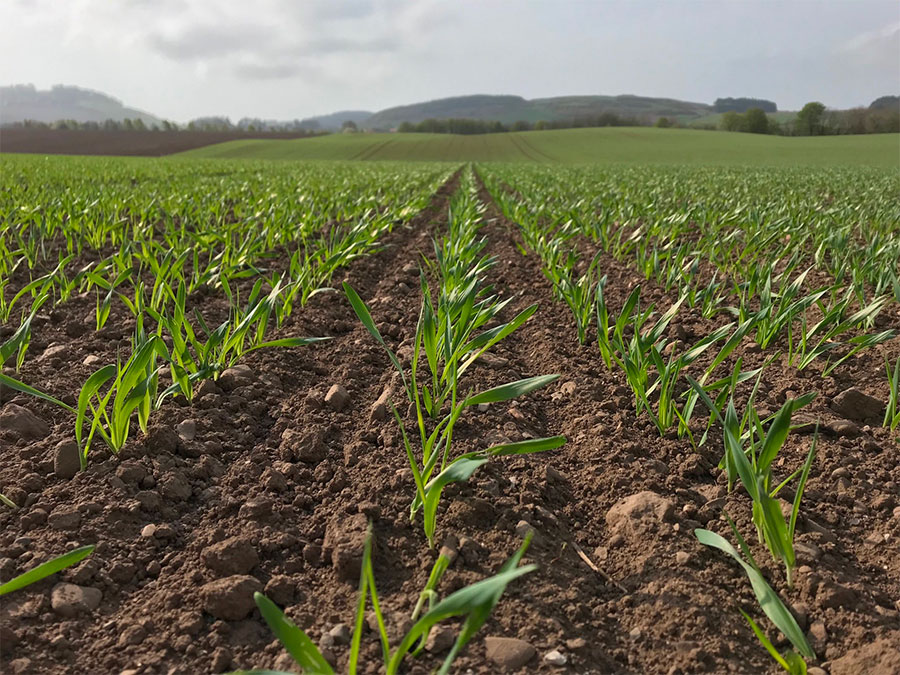
Our aim has always been to use local malt and we are delighted to have now secured all production to use local barley from the fields that would have originally have been abbey lands, and influenced by the yearly farming cycles and natural rhythms of the land.
Lindores Barley Harvest
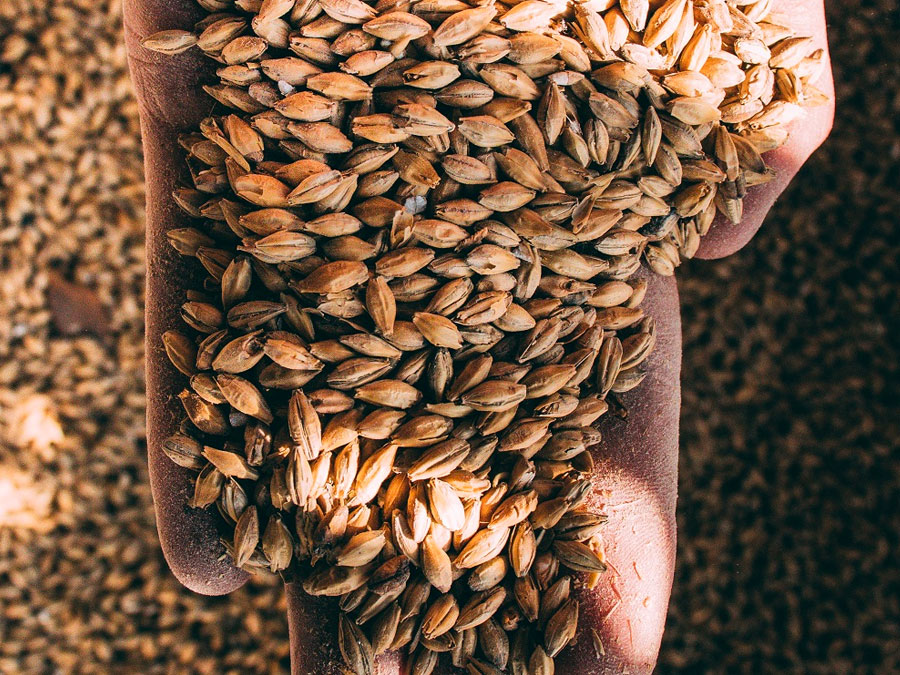
The strain of barley we are using is “Laureate” and this is being harvested from local farms including Parkhill Farm (which belongs to the Custodian Drew McKenzie Smith’s cousin Roger) and Braeside Of Lindores Farm (Richard Black).
In 2020 we were delighted to start working with local farmers and maltsters Crafty Maltsters, and began using organic barley from Falkland Estate, which aligns with our connection with James IV, who was at Falkland Palace when he made his famous order for ‘8 bolls of malt’ for making Aqua Vitae.
In 2022 we will again be doing a special run, this time it will be Bere Barley (pronounced Bear). This is a heritage strain and probably hasn’t been used in Fife for distilling for many hundreds of years, maybe even as far back to the time when the monks actually worked the land around the Abbey, and used it for the brewing of beer and the making of Aqua Vitae. At the moment we just plan to use the Bere spirit for our single malt whisky, but maybe we can tap a little of the spirit off and see how it works as the base for the Aqua Vitae and really harness our inner Friar John Cor.
In this age of sustainability and with the aim to cut our carbon footprint, our supply chain is becoming ever more local and allows us to support local businesses.
Harvest Time
Barley is sown in the Spring and harvested in the late Summer.
Using barley from our neighbouring fields we are able to notice small but significant differences in the malt. After the 2020 harvest, for example, we became aware that our two main suppliers have farms which are largely north-facing in one case, and largely south-facing in the other. So their harvests were about a week apart, as you would expect – the north-facing needing just that bit extra sunshine to ripen. We are certain that this will have a noticeable impact on the spirit, and are looking forward to finding out more.
The Malt
28 tonne loads of malted barley is delivered every 3 and a half weeks to us at the distillery and we mill the malt ourselves on site to our own specifications.
Any draff leftover gets sent to feed the cattle on the farm from where our barley is grown, so it all goes full circle!
Mashing
It is then malted and then mashed in a conventional, semi-lauter tun supplied by renowned distillery fabricators, Forsyths of Rothes.
We have three Forsyths copper pot stills, one large wash still and two smaller spirit stills, which allows greater copper contact in the final distillation, creating a clean and delicate flavour in the spirit.
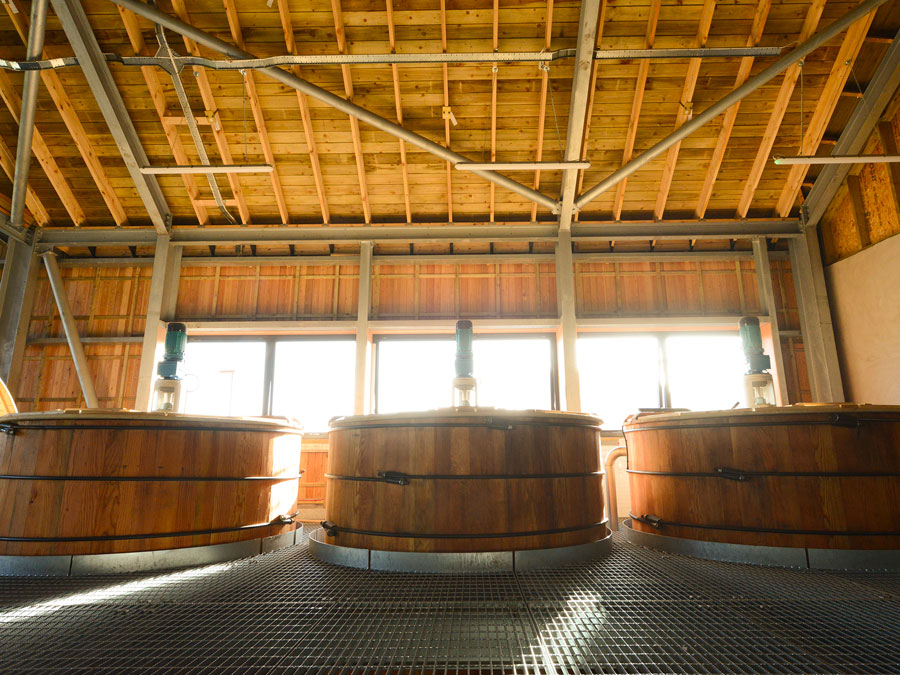
Fermentation happens in traditional wooden washbacks, supplied by Joseph Brown of Dufftown.

Distillery Tours
You can come and take a tour of our Distillery and find out what goes into producing whisky.
Once you’ve learned the ins and outs of distilling, you’ll be able to try two delicious drams for yourself. With the help of our expert guides you will experience all stages of the whisky making process from mashing and fermenting to distilling and maturation. Learn about how after a break of 523 years, we are once again bringing whisky production back to the spiritual home of scotch whisky.
