

DISTILLERY NEWS
The distillery has been back in production since my last update, and the extreme temperatures have caused lots of fun. The process has been at capacity and it has been tricky to keep things within operating temperatures; but somehow we managed it. Our cooling tower has never had to deal with 35c ambient temperatures before!

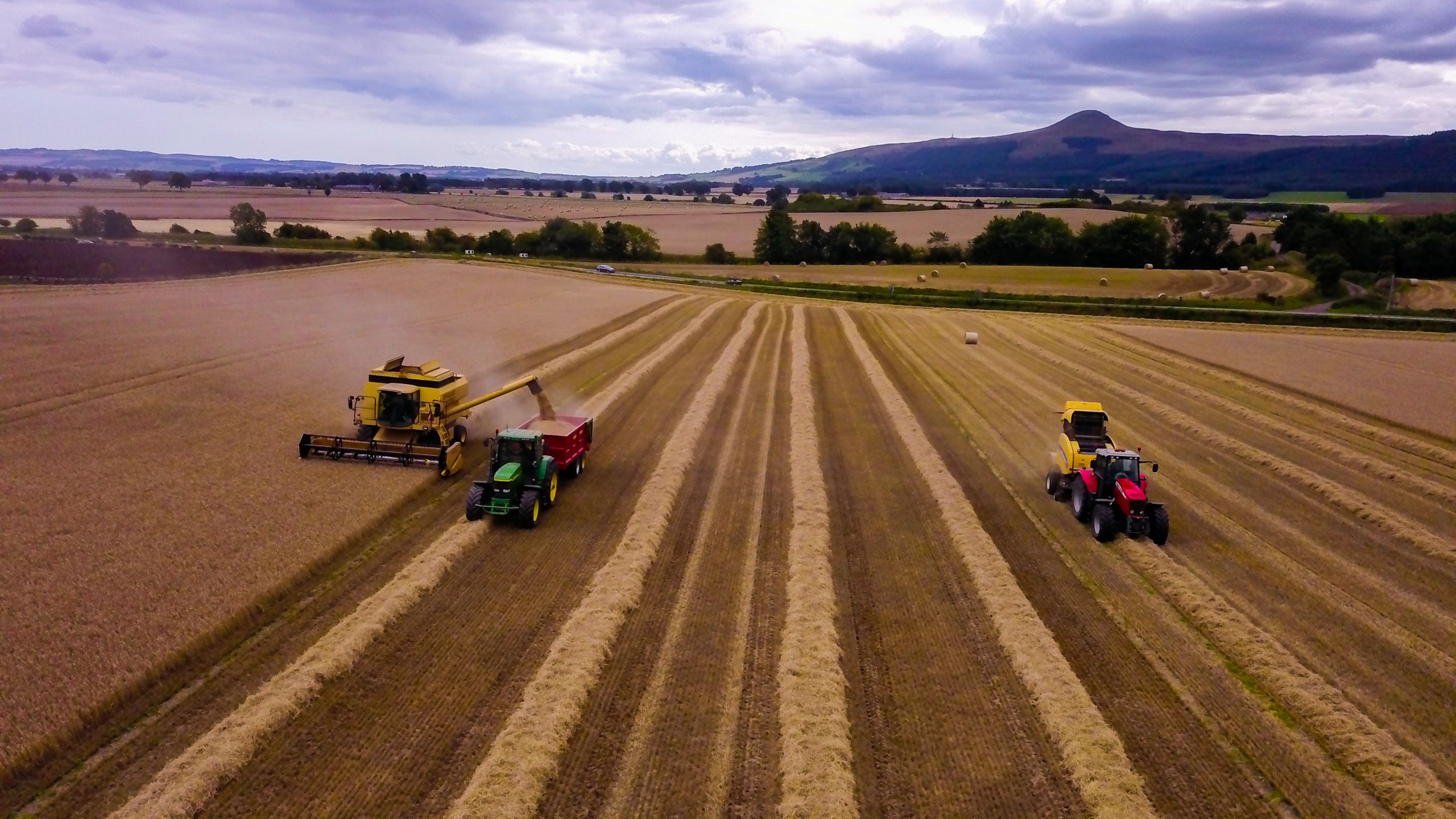
The harvest of the new barley has been done and I am told it’s a week ahead and looking good. This will become 2023’s malt for distilling. We also have a special run of malt in October, which will be an old historic strain grown in Fife, malted in Fife and distilled in Fife – I will tell you more about that in future months.
LINDORES RESEARCH
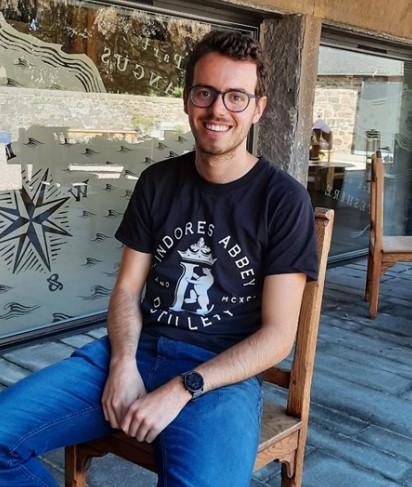
We have had an intern with us for 6 weeks. Thomas was looking at the waste stream of a distillery and how it can be used for energy generation. Thomas Debing is a BioScience Engineering student at the University of Brussels, completing the second year of his Masters programme. His first interest is in fermenting, and as part of his course he is required to spend six weeks on an internship, undertaking some research and learning something of the real-life workings of a relevant industry.
Fortunately his mentor Kris Couvent owns a winery and has bought some casks from us – his whisky is being matured in wine casks. Kris approached us on Thomas’s behalf regarding a mentorship opportunity, and we were happy to help.
The main thrust of Thomas’s Masters programme is in sustainability/renewable energy and his thesis will be on lambic beers – those made using wild yeasts. These are produced in the Zenne valley to the west of Brussels, and normally take 3-5 years because they have to mature in the cask after fermenting – a bit like whisky.
Thomas’s main enquiry is to investigate the extent to which this process can be shortened, without affecting the flavour of the beer. Lambic beer is a small-scale, artisan enterprise, and Thomas is also looking at whether/how it can be made on a bigger scale. Clearly this is of significant commercial importance.
Additionally, Thomas is interested in the use of draff to make bread – hence the sensory tests in which many of our staff participated!
The enquiry is continuing with local people experimenting with draff and sourdoughs; in due course we may start selling our own to sell along with our whisky! Thomas’s first language is Flemish and it’s no small feat to spend six weeks on an internship in a foreign land, using a second language, and to generate a real research study with actual results.
Slàinte
Gary Haggart
Distillery Manager


